
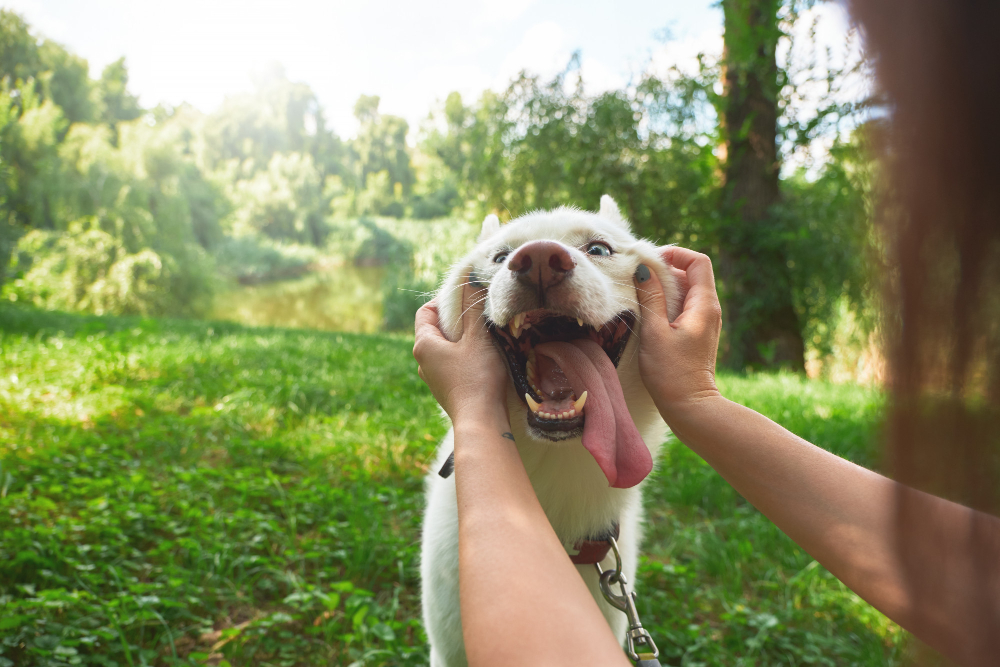
Sneezing is a common reflex in dogs and is often harmless—just like in people. However, frequent, persistent, or unusual sneezing can sometimes signal an underlying issue that requires veterinary attention.
Knowing when sneezing is normal and when it’s not can help you make the best decision for your pet.
Dogs may sneeze for a variety of reasons, many of which involve irritation of the nasal passages. Common causes include:
Occasional sneezing is often nothing to worry about—but patterns matter.
While a few sneezes here and there are normal, certain signs suggest your dog should be evaluated by a veterinarian.
You should seek care if your dog:
Sneezing caused by a foreign object or infection may worsen without treatment.
At L&L Animal Urgent Care, we evaluate sneezing based on your dog’s history, environment, and physical exam findings.
Diagnostics may include:
Not all cases require extensive diagnostics—our team will guide you based on your dog’s symptoms.
Treatment depends on the underlying cause of the sneezing.
Common treatments may include:
More advanced cases may require referral for specialized imaging or dental procedures.
Sneezing can be completely normal—but persistent or unusual symptoms shouldn’t be ignored. If you’re unsure, we’re here to help.
At L&L Animal Urgent Care, we provide same-day urgent care for dogs and cats—helping you get answers and treatment when your pet needs it most.


.png)


