
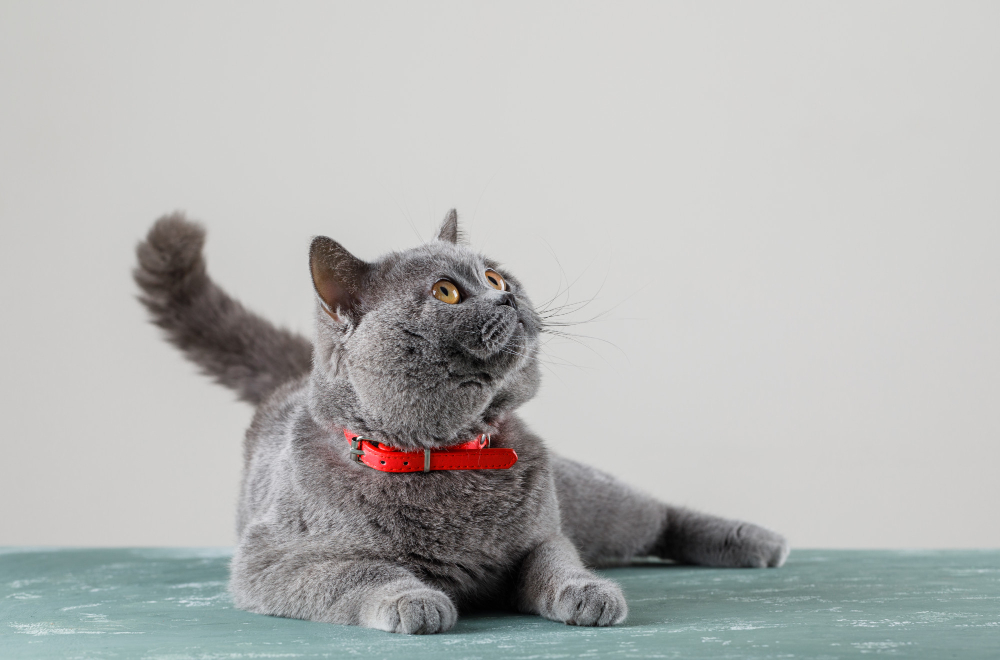
Vomiting is a common issue in cats and can happen for a variety of reasons. While occasional vomiting—such as a hairball—may not be cause for concern, frequent or persistent vomiting can indicate an underlying health issue that requires attention.
Understanding what’s normal and what’s not can help you determine when it’s time to seek veterinary care for your cat.
Cats may vomit for a range of reasons, from mild digestive upset to more serious medical conditions. Common causes include:
In many cases, the cause may not be obvious without diagnostic testing.
While occasional vomiting may be normal, certain signs indicate your cat should be evaluated by a veterinarian.
You should seek care if your cat:
If your cat is vomiting frequently or showing other symptoms, prompt care is recommended.

At L&L Animal Urgent Care, we evaluate vomiting based on your cat’s symptoms, history, and physical exam findings.
Diagnostics may include:
Our goal is to identify the underlying cause and guide appropriate treatment.
Treatment depends on the cause and severity of your cat’s vomiting.
Common treatments may include:
Early treatment can help prevent complications and improve recovery.
Vomiting can range from mild to serious very quickly. If you’re unsure whether your cat needs to be seen, it’s always best to have them evaluated.
At L&L Animal Urgent Care, we provide same-day urgent care for dogs and cats—helping you get answers and treatment when your pet needs it most.


.png)


