
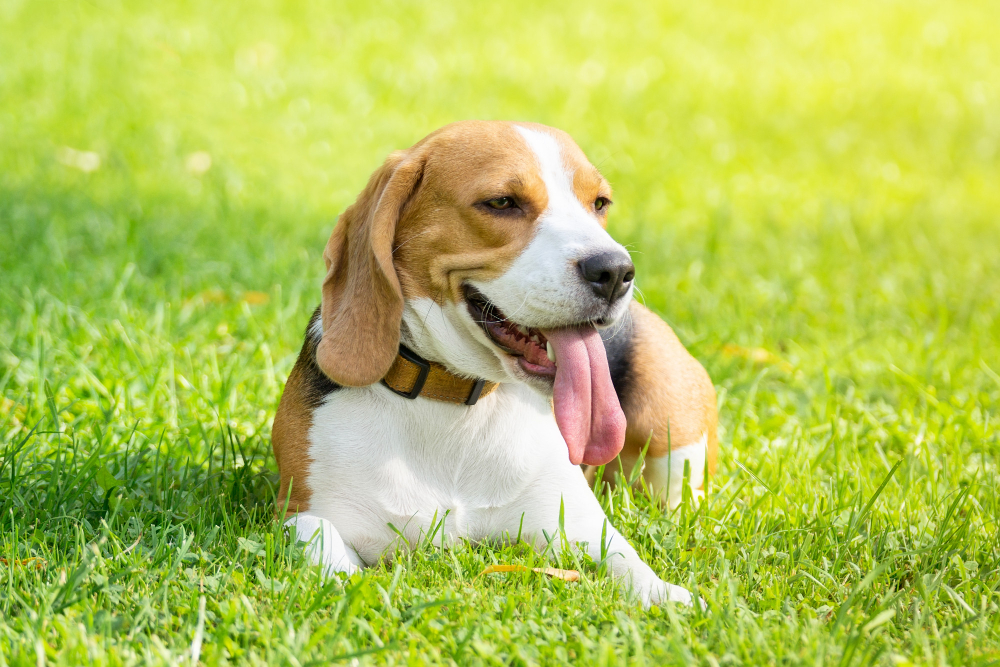
If your dog is drinking more water than usual, it may be a sign that something isn’t right. While increased thirst can sometimes be normal—especially after exercise or in hot weather—persistent or excessive drinking should not be ignored.
Changes in water intake are often one of the earliest signs of an underlying health issue, so it’s important to recognize when something is out of the ordinary.
Dogs may drink more water for a variety of reasons, ranging from normal behavior to medical conditions. Common causes include:
In some cases, increased thirst may be accompanied by increased urination.
While occasional increases in drinking can be normal, certain signs indicate your dog should be evaluated by a veterinarian.
You should seek care if your dog:
Persistent excessive thirst is often a sign of an underlying condition that requires medical evaluation.
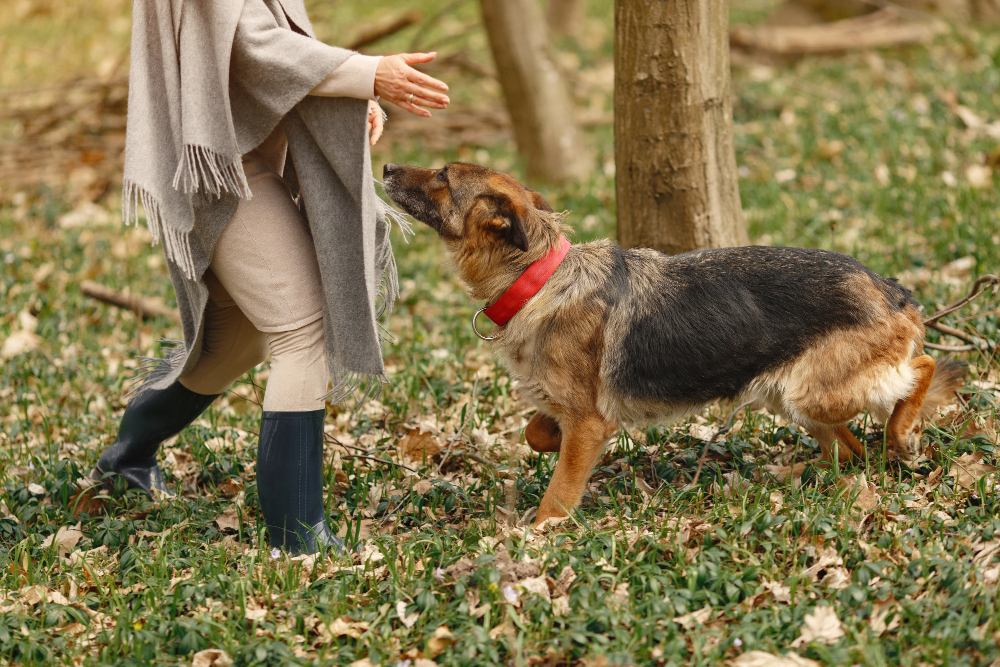
At L&L Animal Urgent Care, we evaluate increased water intake by identifying the underlying cause through a comprehensive assessment.
Diagnostics may include:
Our goal is to determine whether the increased thirst is normal or related to a medical condition.
Treatment depends on the underlying cause of your dog’s increased thirst.
Common treatments may include:
Early diagnosis can help prevent complications and improve long-term outcomes.
Drinking more water than usual may seem minor—but it’s often an early warning sign of a medical issue. If your dog’s drinking habits have changed, it’s best to have them evaluated.
At L&L Animal Urgent Care, we provide same-day urgent care for dogs and cats—helping you get answers and treatment when your pet needs it most.


.png)


