
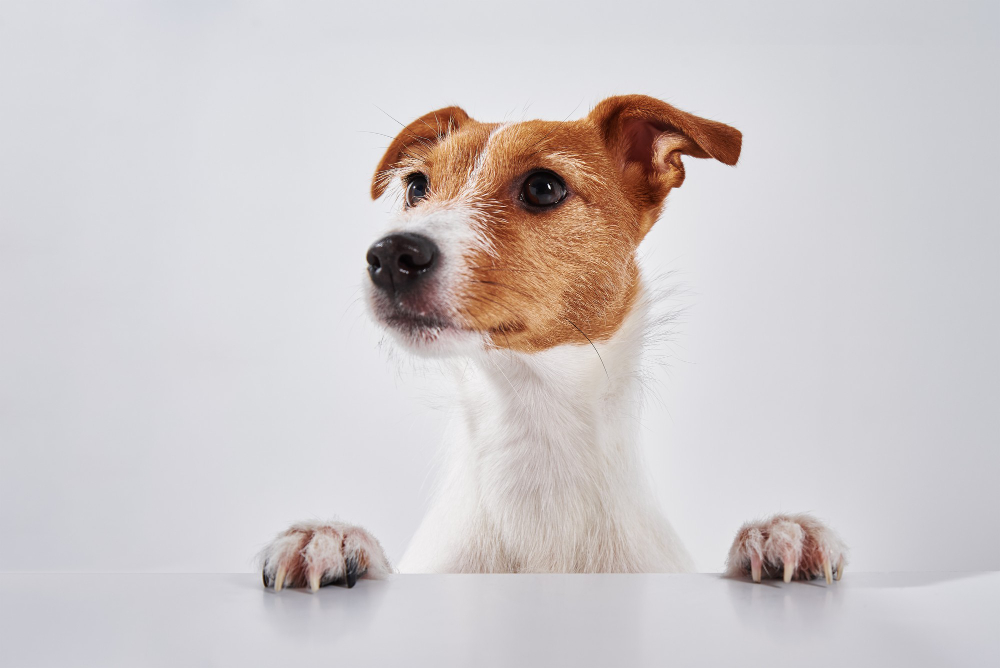
Drooling in dogs can be completely normal, especially in certain breeds or when they’re anticipating food. However, excessive or sudden drooling can be a sign of an underlying issue that requires attention.
If your dog is drooling more than usual or showing other symptoms, it’s important to understand what may be causing it and when to seek veterinary care.
Drooling can be caused by both normal behaviors and medical conditions. Common causes include:
Sudden or excessive drooling is more likely to be associated with a medical concern.
While some drooling is normal, certain signs indicate your dog should be evaluated by a veterinarian.
You should seek care if your dog:
If your dog is showing signs of heatstroke or toxin exposure, this is an emergency and requires immediate care.
At L&L Animal Urgent Care, we evaluate drooling by identifying whether the cause is oral, gastrointestinal, or systemic.
Diagnostics may include:
Our goal is to determine the underlying cause and provide appropriate treatment.
Treatment depends on the cause of your dog’s drooling.
Common treatments may include:
More severe cases may require hospitalization and monitoring.
Drooling can be normal—but sudden or excessive drooling is often a sign that something isn’t right. If your dog’s symptoms seem unusual or are getting worse, it’s best to have them evaluated.
At L&L Animal Urgent Care, we provide same-day urgent care for dogs and cats—helping you get answers and treatment when your pet needs it most.


.png)


