
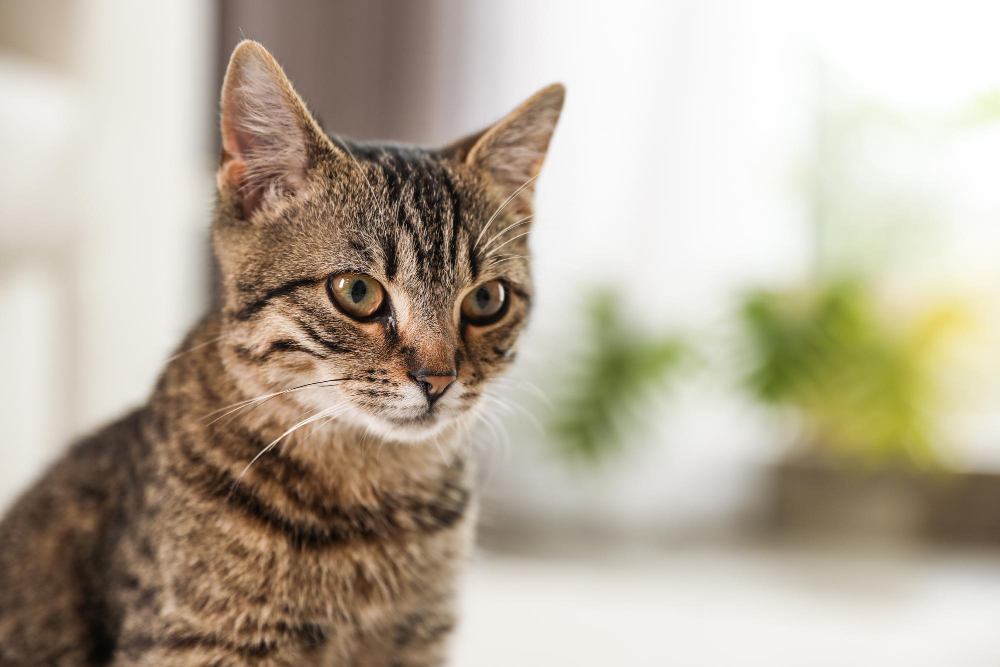
Bad breath in cats, also known as halitosis, is often more than just an unpleasant smell—it can be a sign of an underlying health issue. While mild odor may go unnoticed, strong or persistent bad breath usually indicates a problem that should be addressed.
Because many causes are related to oral or systemic health, it’s important not to ignore changes in your cat’s breath.
Bad breath in cats is most commonly linked to dental or oral issues, but it can also be associated with other conditions. Common causes include:
In many cases, bad breath is one of the earliest signs of dental disease.
While mild odor may not seem urgent, certain signs indicate your cat should be evaluated by a veterinarian.
You should seek care if your cat:
Dental disease can worsen over time and lead to pain, infection, and other health issues.
At L&L Animal Urgent Care, we evaluate bad breath by identifying whether the cause is dental or related to another medical condition.
Diagnostics may include:
Our goal is to identify the source of the odor and address it appropriately.
Treatment depends on the underlying cause of your cat’s bad breath.
Common treatments may include:
Addressing dental issues early can help prevent more serious complications.
Bad breath in cats is often a sign of something more than just poor oral hygiene. If you’re noticing persistent or worsening odor, it’s best to have your cat evaluated.
At L&L Animal Urgent Care, we provide same-day urgent care for dogs and cats—helping you get answers and treatment when your pet needs it most.


.png)


